
숫자 뒤에 가려진 유권자 고통…거시경제 성과와 체감 민생의 괴리가 부른 자멸
"올바른 정책도 표 얻기 힘든데 현실과 겉돈 정책의 필패"…정치권 향한 경고
미국 중간선거에서 집권 여당 공화당이 상원과 하원 모두에서 다수당 지위를 잃고 참패한 것은 민생이 정치의 핵심임을 새삼 말해준다. 대결과 적대의 서사와도 같았던 도널드 트럼프 대통령 2기의 정책이 그동안 민생을 철저히 외면한 결과다. 특히 유권자들이 일상에서 체감하는 인플레이션을 정치인들이 과소평가해서는 안 됨을 이번 선거는 확연하게 일깨워준다. 코로나19 팬데믹 이후 급등한 생활물가에 대한 가계 부담은 2024년 미 대선에서도 중요한 변수였으며 이후 각국의 선거에서 유사한 양상이 반복되고 있다.
이번 미 중간선거에서 일부 공화당 정치인들은 트럼프 대통령을 탓하거나 트럼프와 거리를 두려 하면서 식료품비와 주거비, 연료비 등 생활비 상승에 대한 대중의 우려를 진정시키려 했다. 그러나 그와 같은 선거전략은 결국 실패했다. 집권 여당 대통령이 밀어붙인 이란 전쟁과 관세정책이 직접적으로 유권자들의 생활을 팍팍하게 만들고 삶의 질을 떨어뜨렸다면 이에 대한 관용을 선거에서 기대하기는 어렵다. 이번 선거에서 민주당이 상하 양원을 모두 장악하고 아이오와주 등 공화당의 전통적인 강세 지역에서도 의석을 확보한 것은 현직 대통령과 여당에 대한 전면적인 심판이라고 할 수 있다.
지난 2008년 글로벌 금융 위기 이후 점차 대중은 거시경제지표와 자신들의 경제적 현실을 동일시하지 않게 된 측면이 있다. 그렇지만 정치인들은 이를 종종 간과하는 경향이 있다. 경제성장률과 실업률, 주가지수 등은 경제의 전반적인 상황을 설명하는 데 유용하지만 개별 가계가 경험하는 경제적 현실을 온전히 대변하지는 못한다. 현재 미국의 실업률이 낮고 경제성장률이 상당한 수준을 유지하며 기술투자도 활발하다고 하더라도 국민이 일상에서 그 성과를 체감하지 못한다면 그러한 지표는 정치적 자산으로 작동하기 어렵다. 이번 중간선거의 핵심 쟁점은 거시경제의 외형적 성과가 아니라 생활비 부담이었다. 트럼프의 관세정책과 이란 전쟁이 연료를 비롯한 생활필수품 가격을 폭등시켜 서민 계층에 큰 타격을 가했다. 미국 농업 중심지의 농부와 목축업자에게 연료와 사료, 비료 등 생산비용 상승의 고통을 주었다.
역설적으로 트럼프의 2016년 첫 대선 승리는 거시경제지표로 충분히 포착되지 않았던 지역과 계층의 경제적 소외감에 힘입은 측면이 있었다. 당시 동부의 민주당 주류 엘리트가 경제성장과 고용 등 거시경제적 성과를 강조하는 동안 소외 지역 주민들은 일자리와 소득, 지역경제가 쇠퇴하고 있다는 현실을 호소했다. 영국의 브렉시트 논쟁에서도 유사한 장면이 나타났다. 유럽연합(EU) 탈퇴가 영국 국내총생산(GDP)에 부정적 영향을 미칠 것이라는 경고에 대해 그 GDP는 자신들의 경제적 현실과 다르다는 브렉시트 지지자들의 반박이 터져 나왔다. 경제학적 총량과 시민의 생활 경험 사이에 존재하는 간극을 보여주는 사례다.
트럼프는 이번 중간선거 직전인 10월 말에도 서민들이 생활비 부담으로 고통받는 상황에서 미국이 엄청난 돈을 벌고 있다고 강조해 큰 반감을 불러일으킨 바 있다. 스스로 패배의 씨앗을 뿌린 셈이다. 국가 전체의 경제적 성과를 내세우면서 그 성과가 가계에 어떻게 전달되는지 설명하지 못한 것이다. 거시경제 성과를 자랑하는 것과 국민이 실제로 경제적 번영을 누리는 것은 별개의 문제다. 정치인들이 그 차이를 간과할 때 거시경제 성과에 대한 설명은 유권자들의 상대적 박탈감만 키울 수 있다.
이제 트럼프와 공화당은 그동안 추진해 온 경제정책을 전면적으로 재검토하고 그 한계를 가려내야 한다. 이번 선거를 트럼프 이후 공화당의 미래를 모색하는 계기이자 교훈으로 삼을 필요가 있다. 특히 전통적인 공화당의 컨센서스와 경제정책 기조에서 크게 벗어나 포퓰리즘과 경제적 민족주의에 기반하여 트럼프식으로 추진한 정책들이 소기의 목표 달성뿐만 아니라 바람직한 경제적 성과를 내는데도 부족했다는 점을 인식할 필요가 있다.
대표적인 사례가 관세정책을 앞세운 무역전쟁이다. 제조업 일자리 확대와 무역적자 축소가 주요 목표였지만 관세 부과만으로 이 두 가지 목표를 달성하기는 어렵다. 관세는 수입품 가격과 기업의 중간재 조달 비용을 높이고 그 부담의 일부는 소비자와 국내 기업에 전가될 수 있다. 무역적자 또한 관세만으로 해결할 수 있는 문제가 아니다. 저축과 투자, 재정수지 등 거시경제의 구조적 요인과 밀접하게 연결되어 있다. 따라서 관세정책이 당초 목표에 얼마나 기여했는지뿐 아니라 그 과정에서 소비자와 기업이 부담한 비용, 공급망과 투자에 미친 영향까지 종합적으로 따져봐야 한다.
재정정책은 어떠한가. 대규모 재정적자는 국채 발행 확대와 장기금리 상승 압력을 가할 수 있으며 이는 주택담보대출 금리와 기업 자금조달 비용을 높여 민생에 밀접한 영향을 미친다. 2026 회계연도 연방 재정적자가 2조 달러에 이르는 상황에서 국채 만기 구조를 둘러싼 논의는 재정정책과 금융시장의 관계를 다시 생각하게 한다. 장기 국채를 줄이고 단기 국채를 늘리는 접근의 경우 장기금리 하락을 유도하는 기대가 있겠지만 단기 국채 의존도가 높아지면 빈번한 차환과 금리 변동에 따른 위험도 따른다. 정부가 재정지출을 확대하면서 장기금리를 지속적으로 낮추려 한다면 그에 상응하는 재정의 지속 가능성과 시장의 신뢰를 확보해야 한다. 금리는 행정부의 의지만으로 움직이지 않는다. 재정건전성에 대한 시장의 평가와 인플레이션 기대, 국채 수급과 만기 구조 등 복합적 요인에 의해 영향받는다. 정책과 시장의 상호작용을 충분히 고려하는 접근이 긴요한 시점이다.
트럼프는 유권자들에게 자신의 이름이 투표용지에 있는 것처럼 행동하라고 촉구했다. 주변의 만류에도 불구하고 이번 선거를 자신의 정책에 대한 국민투표로 몰아갔다. 따라서 트럼프는 공화당의 역사적인 패배에 대해 가장 큰 책임이 있다고 할 수 있다. 20여년 전 장클로드 융커 당시 유로그룹 의장은 좋은 경제정책에 대해 언급하면서 우리 모두 무엇을 해야 할지는 알고 있지만 그것을 실행한 후 어떻게 다시 선거에서 당선될지는 모른다고 토로한 바 있다. 올바른 경제정책을 하고도 선거 승리와 정치적 지지를 얻기는 쉽지 않다는 것이다. 하물며 정책의 목표와 실행, 결과가 모두 유권자의 생활 현실과 어긋난다면 표를 얻기가 훨씬 더 어려워진다는 사실은 미 중간선거가 잘 확인해준다.
그렇다면 이번 선거가 각국 정치인들에게 던지는 교훈은 무엇인가. 거시경제지표는 경제의 상태를 진단하는 중요한 도구이지만 민생 그 자체는 아니다. 경제성장률이 높고 실업률이 낮더라도 가계가 식료품비와 주거비, 에너지 비용을 감당하기 어렵다면 경제적 성과는 국민의 지지로 이어지기 힘들다. 거시경제의 번영과 민생의 복리(welfare)를 함께 추구하는 것이 경제정책의 이상적인 목표다. 다만 정치의 승부를 가르는 것은 종종 화려한 거시경제지표의 표면이 아니라 그 이면에 가려진 국민의 생활 현실이다. 11월 미 중간선거는 경제의 성과를 숫자로 설명하는 것과 국민의 삶으로 입증하는 것 사이에는 결코 작지 않은 간극이 있음을 보여주었다. 경제정책의 성패는 거시경제적 성과뿐 아니라 그 성과가 국민의 일상생활에 어떻게 전달되는가에 달려 있다는 정치경제학적 교훈이다.
경제학적 총량과 인간의 경제적 체감 간의 격차는 2008년 글로벌 금융위기 이후 우리가 함께 고민해 온 문제이기도 하다. GDP가 증가하고 금융시장이 호황을 누려도 가계의 경제적 현실이 개선되지 않는다면 경제적 성과의 사회적 정당성은 뒷받침되기 어렵다. 경제 성과를 측정하는 지표와 경제 성과를 체감하는 사람 사이의 간극을 직시할 필요가 있다. 경제정책의 최종 성적표는 경제성장률이나 주가지수가 아니라 국민의 현실적이고 실존적인 삶이 얼마나 나아졌는가에 의해 매겨져야 한다. 경제정책은 숫자로 성과를 발표하는 데서 끝나는 것이 아니라 국민이 그 성과를 실제 삶에서 체감할 수 있도록 제도적 신뢰를 만들어 가는 과정이어야 한다. 미 중간선거라는 교훈을 넘어 경제정책과 정치의 본질을 함께 성찰하게 되는 11월, 짙어가는 가을이다.
[Reading Finance & Economy with Cho, Hong Kyoon] Macroeconomic Indicators Alone Cannot Capture the Public's Economic Reality: Lessons from the U.S. Midterm Elections
The Republican Party's sweeping defeat in the U.S. midterm elections, in which it lost its majorities in both the Senate and the House of Representatives, serves as a timely reminder that people's everyday economic concerns lie at the heart of politics. The outcome reflects the consequences of policies pursued during the second Trump administration, a period marked by a narrative of confrontation and hostility that left the realities of ordinary people's lives largely unaddressed. Above all, the election made clear that politicians must not underestimate the inflation that voters experience in their daily lives. The burden of sharply rising living costs since the COVID-19 pandemic was already a significant factor in the 2024 U.S. presidential election, and similar patterns have since recurred in elections around the world.
During this midterm election, some Republican politicians sought to calm public anxiety over rising living costs, including groceries, housing, and fuel, by blaming President Trump or distancing themselves from him. Such electoral strategies ultimately failed. When a president and his governing party pursue policies such as the war with Iran and tariffs that directly strain household budgets and undermine people's quality of life, they can hardly expect voters to overlook the consequences at the ballot box. The Democrats' capture of both chambers of Congress, along with their gains in traditionally Republican strongholds such as Iowa, amounted to a sweeping rebuke of the incumbent president and his party.
Since the global financial crisis of 2008, the public has increasingly ceased to equate macroeconomic indicators with its own economic circumstances. Politicians, however, often fail to recognize this distinction. Economic growth, unemployment rates, and stock market indices are useful measures of the overall state of the economy, but they do not fully reflect the economic realities experienced by individual households. Even if the United States maintains low unemployment, relatively robust economic growth, and vigorous investment in technology, such indicators are unlikely to translate into political capital if people do not feel the benefits in their everyday lives. The central issue in this midterm election was not the economy's headline performance but the rising cost of living. Trump's tariff policies and the war with Iran drove up prices of fuel and other essential goods, placing a heavy burden on lower-income households. Farmers and ranchers in America's agricultural heartland also faced mounting production costs, including higher expenses for fuel, animal feed, and fertilizer.
Ironically, Trump's first presidential victory in 2016 was partly driven by a sense of economic alienation among regions and social groups whose circumstances were not adequately captured by macroeconomic indicators. While Democratic establishment elites in the East emphasized economic growth and employment gains, residents of economically marginalized communities spoke of declining jobs, incomes, and local economies. A similar dynamic emerged during the Brexit debate in the United Kingdom. When warnings were issued that leaving the European Union would damage Britain's Gross Domestic Product (GDP), Brexit supporters pushed back, arguing that the GDP being cited had little to do with their own economic realities. It was a telling illustration of the gap between aggregate economic statistics and people's lived experience.
In late October, just before the midterm elections, Trump also provoked considerable public resentment by boasting that the United States was making enormous amounts of money even as ordinary Americans struggled with the cost of living. In effect, he sowed the seeds of his own defeat. He touted the economic performance of the country as a whole without explaining how those gains were being transmitted to households. Boasting about macroeconomic success and ensuring that people actually share in economic prosperity are two very different things. When politicians overlook this distinction, their accounts of economic achievement can serve only to deepen voters' sense of relative deprivation.
Trump and the Republican Party must now undertake a comprehensive reassessment of the economic policies they have pursued and identify their shortcomings. The election should serve as an opportunity to reflect on the future of the Republican Party in the post-Trump era and to draw lessons from its defeat. In particular, they need to recognize that Trump-style policies, rooted in populism and economic nationalism and departing substantially from traditional Republican policy consensus, have fallen short not only in achieving their stated objectives but also in delivering desirable economic outcomes.
A prominent example is the trade war built around tariffs. Expanding manufacturing employment and reducing the trade deficit were among its principal objectives, but tariffs alone are unlikely to achieve either. Tariffs raise the prices of imported goods and the cost of intermediate inputs for businesses, with part of the burden ultimately passed on to consumers and domestic firms. Nor can trade deficits be resolved through tariffs alone. They are closely linked to structural macroeconomic factors, including saving, investment, and fiscal balances. The appropriate assessment, therefore, should consider not only how much tariff policy has contributed to its original objectives but also the costs borne by consumers and businesses, as well as its effects on supply chains and investment.
What about fiscal policy? Large fiscal deficits can increase Treasury issuance and put upward pressure on long-term interest rates. This, in turn, can raise mortgage rates and corporate borrowing costs, directly affecting household finances. With the federal budget deficit reaching $2 trillion in fiscal year 2026, the debate over the maturity structure of government debt invites a broader reconsideration of the relationship between fiscal policy and financial markets. Reducing long-term Treasury issuance while increasing short-term borrowing may be expected to exert downward pressure on long-term yields. But greater reliance on short-term debt also entails costs, including more frequent refinancing and increased exposure to interest rate volatility. If the government seeks to expand fiscal spending while keeping long-term rates persistently low, it must also secure fiscal sustainability and maintain market confidence. Interest rates do not move at the administration's discretion. They are shaped by a complex interaction of market assessments of fiscal soundness, inflation expectations, Treasury supply and demand, and the maturity composition of government debt. A policy approach that fully accounts for the interaction between government decisions and market forces is therefore essential.
Trump urged voters to act as though his own name were on the ballot. Despite calls from those around him to exercise restraint, he turned the election into a referendum on his presidency and policies. He must therefore bear the greatest responsibility for the Republican Party's historic defeat. About two decades ago, Jean-Claude Juncker, then president of the Eurogroup, offered a candid observation about good economic policy: we all know what to do, but we don't know how to get re-elected once we have done it. The point was that even sound economic policies do not necessarily translate into electoral success or political support. If the objectives, implementation, and outcomes of policies are all out of step with voters' everyday realities, winning their support becomes all the more difficult. The U.S. midterm elections have offered a clear illustration of this lesson.
What, then, should politicians around the world take away from this election? Macroeconomic indicators are essential tools for diagnosing the state of an economy, but they are not the same as people's economic well-being. Even with strong GDP growth and low unemployment, economic achievements are unlikely to win public support if households struggle to afford groceries, housing, and energy. The ideal objective of economic policy is to pursue macroeconomic prosperity while improving people's welfare. Yet electoral outcomes are often determined not by the impressive surface of headline economic indicators but by the everyday realities concealed beneath them. The November midterm elections have demonstrated that there can be a substantial gap between explaining economic performance through statistics and validating it through people's lives. The political economy lesson is clear: the success of economic policy depends not only on aggregate economic performance but also on how its benefits are transmitted to people's everyday lives.
The gap between aggregate economic statistics and the way people experience the economy has been a concern we have shared since the global financial crisis of 2008. If GDP rises and financial markets flourish while household economic circumstances remain unchanged, the social legitimacy of those economic achievements is difficult to sustain. We must confront the divide between the indicators used to measure economic performance and the people who experience its consequences. The ultimate report card for economic policy should not be GDP growth or stock market indices, but the extent to which people's real and existential lives have improved. Economic policy must go beyond announcing achievements in numbers; it must build institutional trust by ensuring that people can actually experience those achievements in their daily lives. Beyond the lessons of the U.S. midterm elections, November, with autumn deepening around us, offers an occasion to reflect on the very nature of economic policy and politics.
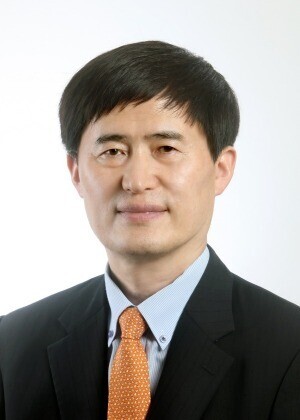 |
| ▲ 조홍균 객원논설위원 |
● 조홍균은
법·제도경제학자이자 35년 경력 중앙은행가. 경제, 금융, 기업 관련 정책과 제도를 주로 천착했다. 통화금융정책, 금융체제, 금융감독, 금융산업, 기업정책, 법경제 실무와 이론에서 전문성을 쌓았다. 중앙은행과 정부, 국제기구, 학계, 언론계 등에 걸쳐 폭넓게 이력을 쌓았다.
△ 미 워싱턴대 법학박사(J.D./J.S.D., 법경제학) △ 1989년 한국은행 입행 △ 1990년 조사제1부 조사역 △ 1999~2012년 정책기획국 과장 차장 팀장 △ 2016년 금융감독원 거시감독국 파견국장 △ 2017년 한국금융소비자학회 부회장 △ 2018년 한국금융연수원 교수 △ 2022년 경제연구원 부원장 △ 저서: 우리 시대의 금융경제 읽기(박영사, 2025년) △ 2025년~ 고려대 행정전문대학원·법무대학원 교수, 한국은행 경제연구원 객원연구위원
[저작권자ⓒ KPI뉴스. 무단전재-재배포 금지]