

글로벌 불평등 AI로 더욱 심화 우려···효율성과 형평성 조화 사회계약 긴요
실리콘밸리 억만장자들에게 미국 최초의 부유세(富裕稅, wealth tax)를 부과할 수 있을까. 억만장자가 가장 많은 미 캘리포니아주에서 지금 뜨거운 여름을 달구고 있는 첨예한 이슈다. 캘리포니아 억만장자들이 보유한 순자산의 5%를 일회성 세금으로 부과하는 부유세 법안을 오는 11월 3일 중간선거에서 주민투표(州民投票, referendum)에 부치기로 한 데 따른 것이다. 캘리포니아주에서 유권자들은 법률을 제안할 수 있고 동 제안에 필요한 유권자들의 지지 서명을 확보하면 주 전체 투표에 부쳐 채택 여부를 결정한다. 캘리포니아는 미국에서 불평등과 양극화 문제 등에 대해 매우 진보적인 정치 성향을 띠는 주로 평가된다. 이번 부유세 법안의 향배는 이를 극명하게 가늠해 볼 수 있는 시험대가 될 것이다.
포브스지가 추산한 캘리포니아 억만장자들의 순자산은 2019년 7000억 달러에서 지난해 말 2조1000억 달러로 급증했다. 이 억만장자들은 부유세 법안 제안에 강력히 반대하며 조직적인 대응에 들어갔다. 순자산 2700억 달러로 세계 3위의 부자인 구글 공동 창업자 세르게이 브린은 재산 중 8200만 달러를 부유세에 반대하는 캠페인을 추진하는 '더 나은 캘리포니아 건설(Building a Better California)'이라는 단체에 기부했다. 현재까지 이 단체가 브린을 포함하여 억만장자들로부터 받은 모금액은 총 1억3000만 달러에 이른다.
이러한 조직적 캠페인과 아울러 개별적으로도 억만장자들은 부유세를 피하려고 캘리포니아주를 떠나는 움직임을 보인다. 일론 머스크는 테슬라를 텍사스로 이전했다. 브린은 억만장자 거주자에게 소급되어 적용되는 부유세 부과 기준일인 올해 1월 1일 이전에 캘리포니아를 떠나 네바다로 옮겼다. 우버 공동 창업자 트래비스 칼라닉 또한 지난해 12월에 텍사스로 이주했다.
그렇지만 부유세 도입 지지자들은 억만장자들이 거주지를 캘리포니아주에서 다른 지역으로 옮기더라도 추후 과세 당국이 거주지 실태조사 등을 실시할 수 있으므로 과세를 피하기 어려울 것임을 지적하고 있다. 캘리포니아주 과세 당국의 관련 지침서에 따르면 납세자가 캘리포니아를 떠날 때 실질적으로 캘리포니아와의 관계를 끊었는지, 아니면 다시 돌아올 준비를 위해 캘리포니아와의 관계를 유지했는지를 심사한다. 이 심사에는 부동산 소유, 자녀의 학교 등록, 차량 등록, 주치의 위치, 은행 계좌, 캘리포니아에 감상적 가치가 담긴 물건을 남겨두었는지 여부 등이 포함될 수 있다. 조세 전문가들은 특히 과세 기준일인 올 1월 1일 이전이지만 매우 근접한 시점에 이주한 억만장자들은 당국의 거주지 실태조사를 받게 될 가능성이 높을 것으로 보고 있다.
민주당 텃밭인 캘리포니아주에서 일어나고 있는 이러한 작금의 상황은 민주당 내부에 심각한 균열을 불러일으키고 있다. 미국 좌파의 상원 기수(旗手, standard-bearer)라 일컫는 버니 샌더스 민주당 의원은 이번 부유세 법안을 지지하며 억만장자들과의 싸움에 뛰어들었다. 반면 2028년 민주당 대선 후보 지명 경쟁을 염두에 두고 있는 개빈 뉴섬 캘리포니아 주지사는 캘리포니아에서만 적용되는 부유세는 부자들을 내쫓게 될 것이라며 법안의 철회를 설득하고 있지만 그리 쉽지 않은 형국이다.
부유세 법안의 운명은 11월 중간선거에서 판가름 나게 된다. 억만장자들이 주도하는 '더 나은 캘리포니아 건설' 단체가 추진하는 캠페인이 부유세에 반대하는 논거를 얼마나 설득력 있고 강하게 부각시킬 수 있을지, 그리고 일반 유권자들이 그 캠페인에 얼마나 공감할 수 있을지에 법안의 운명이 달려 있을 수 있다. 부유세에 대한 지지율은 현재 약 55%다. 미국 각 주와 전 세계인들이 캘리포니아에서 시험대에 오르는 이러한 조세제도 도입 논의가 11월 중간선거에 이르기까지 어떻게 전개될지 상황을 예의주시하게 될 것이다.
파리경제대학의 공동 설립자인 토머스 피케티는 글로벌 금융위기 이후 미국에서 베스트셀러였던 그의 저서 '21세기 자본(Capital in the Twenty-First Century)'에서 역사적으로 막대한 부의 집중이 경제 불안정으로 이어졌다고 역설한 바 있다. 이후 피케티는 그의 제자인 가브리엘 주크만 등과 불평등 문제를 다루며 초부유층에 대한 글로벌 부유세 도입을 주장해 왔다. 이들은 세계 불평등 데이터베이스(World Inequality Database)를 구축하여 초부유층이 종전에 생각했던 것보다 더 부유하고 그 수도 더 많다는 점을 보여주었다. 이 데이터베이스는 불평등이 남아프리카공화국에서 정점에 달하며 상위 1%의 부유층이 국가 전체 부의 55%를 소유하고 있다고 추산했다. 미국에서는 1982년 GDP의 2%였던 상위 400명의 재산이 GDP의 20%까지 증가한 것으로 나타났다.
캘리포니아주에서 올 여름을 달구고 있는 부유세 이슈는 미 11월 중간선거의 핵심 쟁점이자 각국이 주목할 만한 글로벌 쟁점이다. 더욱이 인공지능(AI)과 디지털 경제의 확산은 초부유층에 쏠리는 부의 집중을 더욱 가속화할 가능성이 있다. AI는 생산성을 크게 높일 잠재력을 지니고 있지만 동시에 자본과 데이터, 인재가 소수 기업으로 집중되는 구조를 강화할 우려도 있다. 네트워크 효과와 데이터 독점으로 승자독식(winner-takes-all) 현상을 초래할 수 있다.
이러한 변화는 부의 창출 속도뿐만 아니라 부의 집중 속도까지 높일 수 있다는 점에서 새로운 정책적 고민과 접근이 필요하다. 부가 소수에게 집중되는 데서 비롯되는 불평등과 양극화는 지속가능한 성장을 막는 요인으로 작용할 수 있기에 각국에 치열한 정책적 성찰을 요구하고 있다.
부유세 이슈는 부자에게서 세금을 얼마나 더 걷느냐의 차원에 머물지 않는다. 불평등을 어떻게 교정할 것인가, 그러면서도 혁신과 자본 축적을 어떻게 도모할 것인가, 그리고 민주주의가 시장경제를 어떻게 통제할 것인가를 돌아보게 하고 있다. 국민은 시장경제가 혁신을 통해 부를 창출하는 것은 지지하지만 그 성과가 과도하게 소수에 집중될 경우 시장경제의 정당성에 의문을 제기하게 될 수 있다. 그런 점에서 부유세는 조세정책의 지평을 넘어 사회계약(social contract)의 성격마저 띤다. 부유세의 시험대는 조세제도의 궤적뿐만 아니라 효율성(efficiency)과 형평성(equity)을 어떻게 조화시키며 지속가능한 번영을 도모하는 사회계약을 만들어 갈 것인가에 달려 있다. 애덤 스미스는 국부론에서 시장의 효율성을 강조하면서도 도덕감정론에서는 공감의 룰을 시장경제의 토대로 보았다. 부유세를 둘러싼 오늘의 논쟁 역시 효율성과 형평성이라는 정치경제학적 성찰을 새삼 일깨워 주고 있다.
부유세 논쟁은 한국에도 시사점을 준다. 세대 간, 계층 간에 확대되는 부의 격차는 양극화를 심화시키고 성장잠재력을 제약하는 구조적 문제로 다가오고 있다. 국민이 체감하는 불평등과 양극화의 과제는 여전히 현재진행형이다. 중요한 것은 특정 조세제도의 도입뿐만 아니라 혁신과 기업가정신을 살리면서 성장의 과실을 폭넓게 공유하는 정책을 어떻게 설계할 것인가다. 민생 경제의 어려움을 덜고 양극화와 불평등을 해소하기 위한 정책에 긴 호흡으로 나서며 지속가능하고 다원적인 생태계를 품을 수 있는 포용적 정책이 긴요하다. 정치경제학자 앨프리드 마셜이 강조한 냉철한 이성(cool head), 그리고 더 나은 세계를 만들고자 하는 따뜻한 마음(warm heart)을 지니고 국민의 지속가능하며 더 나은 삶을 위한 정치와 정책에 나설 때다.
[Reading Finance & Economy with Cho, Hong Kyoon] The Political Economy of the Wealth Tax Stands on Test
Could America's first wealth tax be levied on Silicon Valley billionaires? This is a contentious issue currently heating up the hot summer in California, the state with the highest concentration of billionaires. This follows the decision to put a wealth tax bill, which would levy a one-time tax of 5% on the net worth of California billionaires, to a referendum during the upcoming November 3 midterm elections. In California, voters can propose laws; if they secure the necessary signatures of support, the proposal is put to a statewide vote to decide whether to adopt it. California is considered a state with a very progressive political stance regarding issues such as inequality and polarization. The outcome of this wealth tax bill could serve as a stark test to gauge this stance.
According to Forbes estimates, the net worth of California billionaires is surging from $700 billion in 2019 to $2.1 trillion at the end of last year. These billionaires are strongly opposing the proposed wealth tax bill and have launched an organized response. Google's co-founder Sergey Brin, the world's third-richest person with a net worth of $270 billion, poured $82 million of his fortune to Building a Better California, an organization campaigning against the wealth tax. To date, the total collections raised by this organization from billionaires, including Brin, have reached $130 million.
In addition to these organized campaigns, billionaires are also showing signs of leaving California individually to avoid the wealth tax. Elon Musk relocated Tesla to Texas. Brin left California and moved to Nevada before January 1 of this year, the threshold date for the wealth tax that applies retroactively to billionaire residents. Uber's co-founder Travis Kalanick also relocated to Texas last December.
However, supporters of the wealth tax point out that even if billionaires move their residences out of California, it will be difficult to avoid taxation because tax authorities may conduct status checks on their actual residence later on. According to relevant guidelines from California tax authorities, authorities check whether a taxpayer has effectively severed ties with California when leaving the state, or if they maintained ties in preparation for a return. The checks may include property ownership, school enrollment of children, vehicle registration, the location of a doctor, and bank accounts, as well as whether any items containing sentimental value were left in California. Tax experts believe that billionaires who moved before, but very close to, the tax assessment date of January 1 of this year are particularly likely to face status checks by authorities.
This current situation unfolding in California, a Democratic stronghold, is causing serious rifts within the Democratic Party. Democratic Senator Bernie Sanders, known as the standard-bearer of the American left in the Senate, has entered the battle against billionaires by supporting the wealth tax bill. On the other hand, California Governor Gavin Newsom, who is eyeing the 2028 Democratic presidential nomination race, is trying to persuade voters to withdraw the bill, arguing that a wealth tax applicable only to California would drive the rich out; however, the situation is proving difficult.
The fate of the wealth tax bill will be decided in the November midterm elections. The bill's destiny may depend on how persuasively and strongly the campaign promoted by the billionaire-led Building a Better California group can highlight arguments against the tax, and how much general voters can sympathize with that campaign. Surveys currently put the wealth tax on about 55% support. U.S. states and people around the world will be closely watching how discussions regarding the introduction of this tax system, which is being put to the test in California, unfold leading up to the November midterm elections.
Thomas Piketty, co-founder of the Paris School of Economics, argued in his book, Capital in the Twenty-First Century, a U.S. bestseller following the global financial crisis, that historically large concentrations of wealth were leading to economic instability. Since then, Piketty, along with his student Gabriel Zucman and others, has addressed the issue of inequality and advocated for the introduction of a global wealth tax on the super-rich. They established the World Inequality Database, which demonstrated that the super-rich were richer and more numerous than previously thought. This database estimated that inequality peaked in South Africa, where the richest 1% owned 55% of national wealth. In the United States, the wealth of the 400 richest individuals has increased from 2% of GDP in 1982 to 20% of GDP.
U.S. states and people around the world will be watching closely to see how the situation develops. The issue of the wealth tax, which is heating up California this summer, is a key point of contention for the U.S. midterm elections in November and a global issue worthy of attention from nations. Moreover, the spread of artificial intelligence (AI) and the digital economy has the potential to further accelerate the concentration of wealth in the hands of the super-rich. While AI possesses the potential to significantly boost productivity, there are also concerns that it may simultaneously reinforce a structure in which capital, data, and talent are concentrated in a few companies. Network effects and data monopolies could lead to a winner-takes-all phenomenon.
Given that these changes can accelerate not only the speed of wealth creation but also the speed of wealth concentration, new policy considerations and approaches are required. Since the inequality and polarization stemming from the concentration of wealth in the hands of a few can act as factors hindering sustainable growth, this demands intense policy reflection from every nation.
The wealth tax issue does not remain merely at the level of how much more tax to collect from the rich. It compels us to reflect on how to rectify inequality, how to promote innovation and capital accumulation while doing so, and how democracy can regulate the market economy. While the public supports the market economy in generating wealth through innovation, they may question the legitimacy of the market economy if the benefits become excessively concentrated in the hands of a select few. In this regard, a wealth tax transcends the realm of tax policy and takes on the character of a social contract. The true test of the wealth tax lies not only in the trajectory of the tax system but also in how to harmonize efficiency and equity to construct a social contract that promotes sustainable prosperity. In The Wealth of Nations, Adam Smith emphasized market efficiency, yet in The Theory of Moral Sentiments, he viewed the rules of sympathy as the foundation of the market economy. The current debate surrounding the wealth tax serves as a stark reminder of the political economic reflections regarding efficiency and equity.
The debate over the wealth tax holds implications for Korea as well. The widening wealth gap between generations and social classes is emerging as a structural problem that deepens polarization and constrains growth potential. The challenges of inequality and polarization, as perceived by the public, remain ongoing. What is important is not merely the introduction of specific tax systems, but how to design policies that foster innovation and entrepreneurship while broadly sharing the fruits of growth. It is crucial to adopt inclusive policies that embrace a sustainable and pluralistic ecosystem, while taking a long-term approach to alleviate the hardships of the people's livelihoods and resolve polarization and inequality. Now is the time to engage in politics and policies for the sustainable and better lives of the people, equipped with the cool head and the warm heart seeking to create a better world, emphasized by political economist Alfred Marshall.
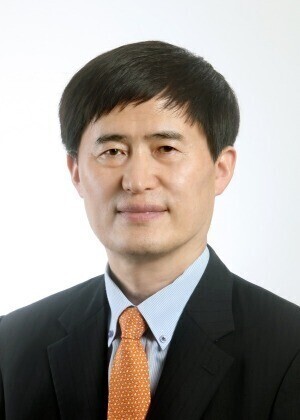 |
| ▲ 조홍균 객원논설위원 |
● 조홍균은
법·제도경제학자이자 35년 경력 중앙은행가. 경제, 금융, 기업 관련 정책과 제도를 주로 천착했다. 통화금융정책, 금융체제, 금융감독, 금융산업, 기업정책, 법경제 실무와 이론에서 전문성을 쌓았다. 중앙은행과 정부, 국제기구, 학계, 언론계 등에 걸쳐 폭넓게 이력을 쌓았다.
△ 미 워싱턴대 법학박사(J.D./J.S.D., 법경제학) △ 1989년 한국은행 입행 △ 1990년 조사제1부 조사역 △ 1999~2012년 정책기획국 과장 차장 팀장 △ 2016년 금융감독원 거시감독국 파견국장 △ 2017년 한국금융소비자학회 부회장 △ 2018년 한국금융연수원 교수 △ 2022년 경제연구원 부원장 △ 저서: 우리 시대의 금융경제 읽기(박영사, 2025년) △ 2025년~ 고려대 행정전문대학원·법무대학원 교수, 한국은행 경제연구원 객원연구위원
[저작권자ⓒ KPI뉴스. 무단전재-재배포 금지]